- Water Filtration System Suppliers In UAE
- +971-544942902
- Info@innovators-dubai.com
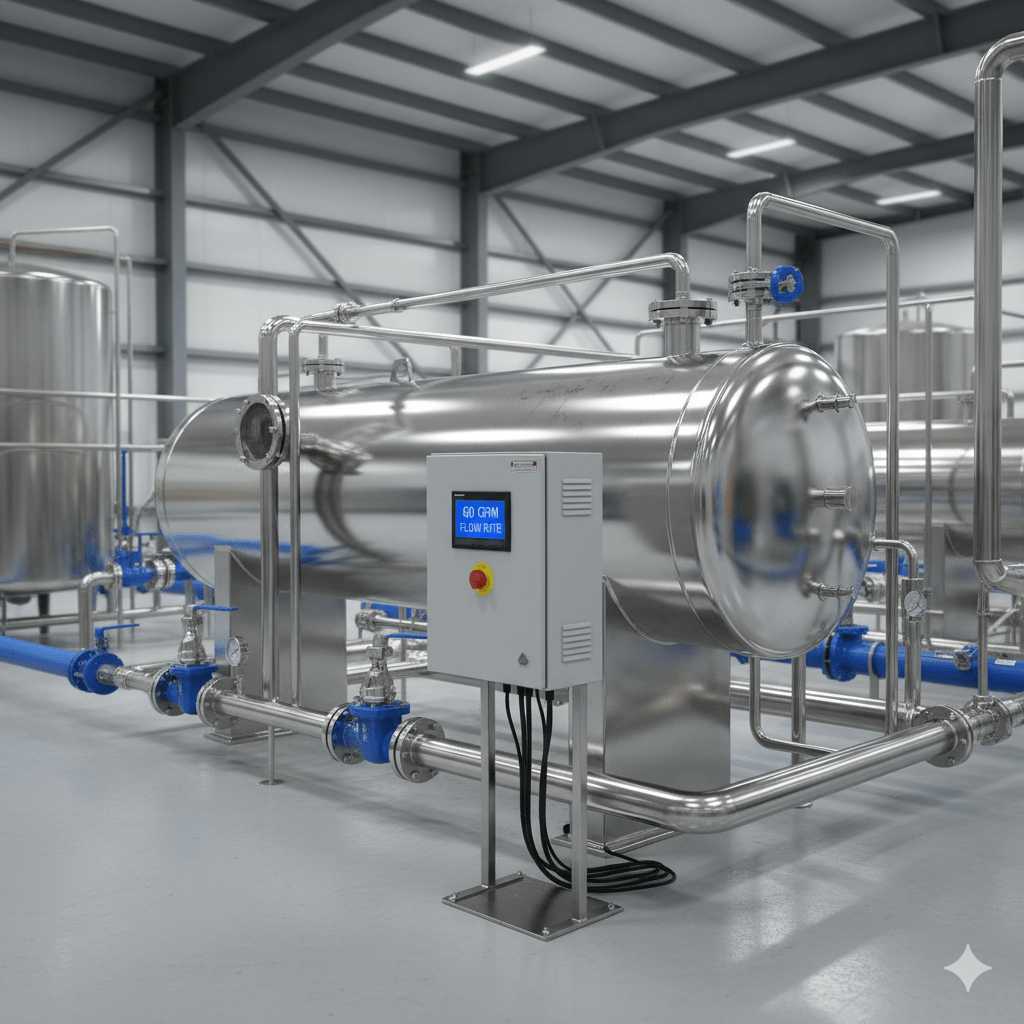
A 3000-4000 GPD (gallons per day) RO (reverse osmosis) plant is an ideal choice for medium to large-scale water purification needs. Whether you’re looking for a solution for industrial applications, commercial facilities, or large residential buildings, understanding the components and benefits of such a system is crucial.
Pre-Filtration System:
Sediment Filters: Essential for removing large particles and protecting the RO membranes from damage.
Carbon Filters: Effective in eliminating chlorine, chloramines, and organic compounds that can affect membrane performance.
High-Pressure Pump:
Responsible for pressurizing the feed water, ensuring it passes through the RO membranes effectively.
RO Membranes:
The heart of the system, where water undergoes filtration through semi-permeable membranes to remove contaminants.
Post-Filtration:
Carbon Filters: Used to polish the water, enhancing taste and odor.
Mineral Filters: May be included to reintroduce essential minerals, improving water taste and health benefits.
Storage Tanks:
Designed to hold purified water before distribution, ensuring a steady supply.
Control Panel:
For monitoring and controlling the system’s operation, ensuring optimal performance.
Disinfection:
Some systems feature UV lamps or other methods to guarantee that the water is free from bacteria and viruses.
Feed Water Quality: The efficiency of your RO system is highly dependent on the quality of the incoming water. Pretreatment might be necessary if the feed water contains high levels of contaminants.
Maintenance: Regular maintenance, including membrane cleaning and replacement, is crucial to keep the system running smoothly.
Energy Consumption: Large RO systems can be energy-intensive due to the high-pressure pumps used.
Industrial Processes: Ideal for industries requiring ultrapure water for manufacturing or process applications.
Commercial Use: Perfect for restaurants, hotels, and large office buildings needing high-quality water.
Agricultural Use: Useful for irrigation or livestock watering where superior water quality is needed.
Benefits:
1. High Water Purification Capacity: Capable of producing 3000-4000 gallons of purified water per day, suitable for high-demand applications.
2. Effective Contaminant Removal: Utilizes semi-permeable membranes to remove contaminants like dissolved salts, organic compounds, heavy metals, and microorganisms.
3. Enhanced Taste and Odor: Post-filtration stages, such as carbon and mineral filters, polish the water, improving taste and odor.
4. Cost-Efficiency: The system’s efficiency and durability lead to lower long-term operational costs, despite the initial investment.
5. Reduced Environmental Impact: The RO process minimizes the need for bottled water, supporting sustainability by reducing plastic waste.
Visual Layout Diagram: Feed Water Inlet → Feed Pump → Pre-Filtration (Sediment & Carbon Filters) → High-Pressure Pump → RO Membrane Housing → Post-Filtration (Carbon & Mineral Filters) → Storage Tanks → Disinfection System (Optional) → Brine/Reject Water Outlet.
Control Panel: Positioned for easy access and monitoring.
In summary, a 3000-4000 GPD RO plant offers a robust solution for medium to large-scale water purification needs, serving industrial, commercial, and agricultural applications. This system features essential components like pre-filtration, high-pressure pumps, RO membranes, and post-filtration stages, all designed to ensure high-quality, purified water. Proper maintenance and consideration of feed water quality and energy consumption are crucial for optimal performance. compatibility with the required size and pressure ratings. With two LG BW8040-400 membranes, the system can achieve a total permeate flow rate of 800 GPD, while a recovery rate of 50% necessitates a feed flow rate of 1600 GPD. Choosing an appropriate high-pressure pump, such as the Lowara e-SV or Grundfos CR series, ensures that the system meets operational pressure requirements efficiently. Incorporating a well-sized storage tank, effective post-treatment solutions, and a comprehensive control system will further enhance the system’s performance. Regular maintenance and thorough testing during installation are essential to ensure reliable operation. By addressing these aspects, the RO system will deliver high-quality water consistently, meeting the needs of Ultratec Water Treatment and ensuring optimal performance over its operational life.
WhatsApp us