
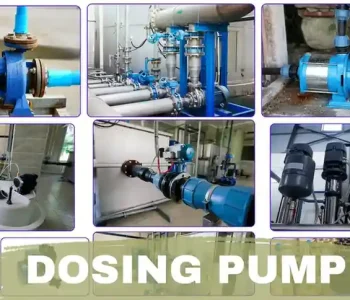
Understanding the Basics of Chemical Dosing Pumps
Understanding the intricacies of chemical dosing pumps is crucial for businesses that rely on precise chemical distribution. Whether you are a small business owner seeking to optimize your processes or a supplier of Chemical Dosing Pump, understanding these systems can enhance your operations and drive growth. By delving deeper into the components, types, applications, and maintenance of chemical dosing systems, businesses can ensure efficient and safe operations.
A chemical dosing pump is a small, positive displacement pump used to inject chemicals into a fluid stream. The pumping action is achieved by a diaphragm, piston, or a peristaltic mechanism. These pumps are designed to deliver precise amounts of chemical or other substances into a system over a specific time period.
How Chemical Dosing Pumps Work
Chemical dosing pumps operate by drawing a fixed volume of a chemical or reagent into a chamber and then injecting it into a process fluid. The precision of this operation is controlled by various mechanisms, including adjustable stroke lengths and motor speeds. This allows for accurate dosing even in dynamic process conditions, ensuring that the correct concentration of chemicals is maintained.
Benefits of Precision in Dosing Pumps
Precision in chemical dosing pumps is not just about maintaining the right chemical balance; it also translates into cost savings and enhanced safety. Accurate dosing prevents chemical wastage, reduces costs, and minimizes the risks associated with over-dosing, such as corrosion or toxicity. This precision is vital for industries where even slight deviations can lead to significant quality or safety issues.
Common Materials Used in Dosing Pumps
The materials used in the construction of dosing pumps are crucial for their durability and compatibility with different chemicals. Common materials include stainless steel, polypropylene, and various elastomers, each chosen based on the chemical’s corrosiveness and operating conditions. Choosing the right materials ensures the longevity and reliability of the pump, reducing maintenance needs and downtime.
Why Use a Dosing Pump?
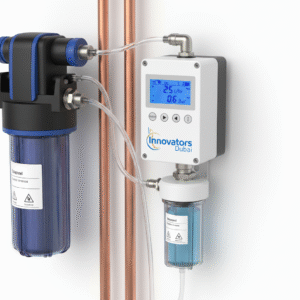
The primary reason for using a dosing pump is to ensure accurate and consistent chemical dosing. This precision is crucial in applications where the chemical composition needs to be carefully controlled to avoid over-dosing or under-dosing, which can affect quality and safety.
Precision and Consistency in Chemical Dosing
Precision and consistency in chemical dosing are critical to maintaining the quality of the end product. Dosing pumps offer unparalleled accuracy in delivering chemicals, ensuring that each batch produced meets the required standards. This consistency is essential for maintaining customer trust and meeting regulatory compliance in industries such as pharmaceuticals and food processing.
Avoiding Over-Dosing and Under-Dosing
Over-dosing or under-dosing can have detrimental effects on both the process and the product. Over-dosing can lead to increased costs and potential safety hazards, while under-dosing can result in ineffective processes and substandard products. Dosing pumps help mitigate these risks by delivering the exact amount of chemical needed for optimal operation.
Enhancing Process Efficiency
The use of dosing pumps enhances process efficiency by automating the chemical delivery process. This automation reduces the need for manual intervention, minimizes human error, and frees up resources for other critical tasks. As a result, businesses can achieve higher productivity and focus on core activities that drive growth.
Key Components of a Dosing System
Understanding the key components of a dosing system is vital for ensuring its proper operation and maintenance. Each component plays a crucial role in the overall efficiency and accuracy of the system.
The Role of the Pump
The pump is the heart of the dosing system, responsible for moving the chemical through the system. Different types of pumps, such as diaphragm, piston, and peristaltic pumps, offer various advantages depending on the application. Choosing the right pump type is essential for achieving the desired dosing accuracy and handling the specific chemical properties.
Importance of the Control System
The control system is the brain of the dosing operation, managing the dosing rate and ensuring precise chemical delivery. Advanced control systems can be integrated with process automation, allowing for real-time monitoring and adjustments. This capability is crucial for maintaining process stability and responding quickly to any changes in operating conditions.
Tubing and Injection Fittings
Tubing and injection fittings are the conduits that transport chemicals from the pump to the point of injection. The choice of tubing material depends on the chemical’s compatibility and the operating environment. Properly selected and maintained tubing and fittings prevent leaks and ensure that chemicals are delivered safely and efficiently to their intended destination.
Types of Chemical Dosing Pumps
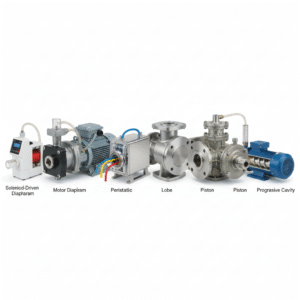
Chemical dosing pumps come in various types, each suited for different applications. Understanding these types is essential for selecting the right pump for your specific needs.
Diaphragm Dosing Pumps
These pumps use a diaphragm made of elastomeric material to move the chemical. They are ideal for applications requiring high pressure and precise dosing.
Mechanism of Diaphragm Pumps
Diaphragm pumps operate by flexing a diaphragm to create a variable volume within a chamber, allowing for controlled intake and discharge of the chemical. This mechanism provides excellent accuracy and repeatability, making these pumps suitable for critical dosing applications.
Applications of Diaphragm Pumps
Diaphragm pumps are widely used in industries such as water treatment, chemical processing, and pharmaceuticals. Their ability to handle corrosive and viscous chemicals at high pressures makes them versatile and reliable for various demanding applications.
Maintenance Considerations for Diaphragm Pumps
Regular maintenance of diaphragm pumps involves checking the diaphragm for wear and tear, as well as inspecting valves and seals for leaks. Routine maintenance ensures the pump operates at peak performance and extends its service life.
Peristaltic Dosing Pumps
Peristaltic pumps move chemicals through flexible tubing using rollers. They are easy to maintain and are suitable for handling abrasive and viscous fluids.
Advantages of Peristaltic Pumps
The design of peristaltic pumps allows for gentle handling of fluids, reducing shear and maintaining the integrity of sensitive chemicals. This gentle action makes them ideal for applications requiring the dosing of delicate or abrasive substances.
Applications in Various Industries
Peristaltic pumps are commonly used in industries such as pharmaceuticals, food and beverage, and wastewater treatment. Their ability to handle a wide range of fluids, including slurries and viscous liquids, makes them highly adaptable to various process requirements.
Maintenance and Troubleshooting
Maintaining peristaltic pumps is straightforward, primarily involving the periodic replacement of the tubing. Troubleshooting typically involves checking for blockages or leaks in the tubing, ensuring consistent flow and dosing accuracy.
Piston Dosing Pumps
Piston pumps are known for their accuracy and are used in applications requiring high pressure. They are suitable for dosing small volumes with high precision.
How Piston Pumps Operate
Piston pumps use a reciprocating piston mechanism to draw in and discharge chemical fluids. This design provides high precision and control, making them ideal for applications where exact dosing is critical.
Industrial Applications of Piston Pumps
Industries such as oil and gas, chemical manufacturing, and food processing benefit from the high-pressure capabilities and accuracy of piston pumps. Their robust construction makes them suitable for handling a wide range of chemicals and operating conditions.
Care and Maintenance
Regular maintenance of piston pumps involves inspecting pistons, seals, and cylinders for signs of wear. Keeping these components in good condition ensures the pump’s accuracy and longevity, preventing costly downtime.
Applications of Chemical Dosing Systems
Chemical dosing systems are used in various industries, including:
Water Treatment
In water treatment plants, dosing pumps introduce chemicals like chlorine to purify water, control pH levels, and remove contaminants.
The Role of Dosing Pumps in Water Purification
Dosing pumps play a critical role in ensuring safe drinking water by accurately introducing disinfectants and pH adjusters into the water supply. This precision helps meet regulatory standards and protect public health.
Managing Contaminants and pH Levels
Maintaining the right chemical balance in water treatment is essential for effective contaminant removal. Dosing pumps help manage the addition of coagulants and flocculants, ensuring efficient sedimentation and filtration processes.
Challenges and Solutions in Water Treatment Dosing
Challenges in water treatment dosing include handling varying water qualities and flow rates. Advanced dosing systems with real-time monitoring and adaptive control help overcome these challenges, ensuring consistent and safe water treatment.
Food and Beverage
These pumps ensure the accurate dosing of flavors, colors, and preservatives, maintaining the quality and consistency of products.
Ensuring Product Consistency
In the food and beverage industry, maintaining product consistency is vital for brand reputation and customer satisfaction. Dosing pumps provide the precision needed to deliver consistent flavors and colors in every batch.
Applications in Beverage Production
Dosing pumps are used in beverage production to add precise amounts of sweeteners, carbonation, and preservatives. This precision ensures that each product meets taste and quality standards, enhancing consumer experience.
Regulatory Compliance in Food Dosing
Meeting regulatory requirements for food safety is crucial. Dosing pumps help ensure compliance by providing accurate records of chemical usage and maintaining the integrity of food products throughout the production process.
Pharmaceuticals
In the pharmaceutical industry, precise chemical dosing is essential for producing safe and effective medications.
Importance of Accuracy in Pharmaceutical Dosing
Precision in dosing is critical in pharmaceuticals, where even minor deviations can affect drug efficacy and safety. Dosing pumps ensure the exact delivery of active ingredients, excipients, and solvents, maintaining product quality.
Applications in Drug Manufacturing
Dosing pumps are used in various stages of drug manufacturing, from formulation to packaging. Their accuracy ensures that each dose contains the correct amount of active ingredients, preventing under-dosing or over-dosing.
Challenges in Pharmaceutical Dosing
Pharmaceutical dosing presents challenges such as handling highly potent or sensitive ingredients. Advanced dosing systems with precise control and monitoring capabilities help overcome these challenges, ensuring safe and effective drug production.
Choosing the Right Chemical Dosing Equipment Suppliers
by National Cancer Institute (https://unsplash.com/@nci)
Selecting the right supplier is critical to ensure you receive reliable and high-quality dosing equipment. Here are some factors to consider:
Evaluating Supplier Reputation
Choose suppliers with a solid reputation and extensive experience in the industry. They should have a track record of providing high-quality equipment and excellent customer service. A reputable supplier will also have positive customer testimonials and industry certifications that attest to their reliability.
Assessing Product Range and Customization
A supplier with a wide range of products can offer solutions tailored to your specific needs. Whether you need a basic setup or a complex system, they should have the right equipment for you. Customization options can also be crucial for meeting unique process requirements and ensuring seamless integration with existing systems.
Importance of Technical Support and Maintenance
Ensure that your supplier offers robust technical support and maintenance services. This support is crucial for troubleshooting any issues and ensuring the longevity of your equipment. A reliable supplier will provide training, spare parts, and responsive service to keep your operations running smoothly.
Evaluating Supplier Innovation and Technology
Suppliers that invest in innovation and technology can offer cutting-edge solutions that enhance your operations. Look for suppliers that provide the latest advancements in dosing technology, such as automated systems and smart monitoring capabilities. These innovations can improve efficiency and provide a competitive edge.
Long-Term Partnership and Collaboration
Choosing a supplier is not just a transaction; it’s the beginning of a long-term partnership. Select a supplier that values collaboration and is committed to understanding and meeting your evolving needs. A strong partnership can lead to continuous improvements and shared success.
Maintaining Your Chemical Dosing System
Regular maintenance of your chemical dosing system is essential to ensure its efficiency and longevity. Here are some tips:
Importance of Regular Inspections
Inspect your system regularly for any signs of wear and tear. Check the tubing, fittings, and pump for leaks or damages. Regular inspections help identify potential issues early, preventing costly repairs and downtime.
Calibration for Accuracy
Calibrate your dosing pump periodically to ensure accurate chemical delivery. This step is crucial in maintaining the integrity of your processes. Calibration involves adjusting the pump settings to match the required dosing specifications, ensuring precise chemical addition.
Cleaning and Preventive Maintenance
Keep your dosing system clean to prevent clogging and maintain optimal performance. Follow the manufacturer’s guidelines for cleaning and maintenance. Regular cleaning prevents buildup and ensures the smooth operation of the pump, reducing the risk of malfunctions.
Monitoring System Performance
Monitor your dosing system’s performance through regular data analysis and performance checks. This monitoring helps identify trends and potential issues, allowing for proactive maintenance and adjustments. Advanced monitoring systems can provide real-time insights into system health and efficiency.
Scheduling Routine Maintenance
Develop a routine maintenance schedule that includes inspections, cleaning, and calibration. Adhering to this schedule ensures that your dosing system operates efficiently and extends its service life. Routine maintenance also minimizes unexpected breakdowns and enhances overall reliability.
Benefits of Using Chemical Dosing Pumps
Implementing chemical dosing pumps in your business operations offers several advantages:
Enhanced Precision and Control
Dosing pumps provide precise control over chemical dosing, ensuring the right amount is delivered consistently. This precision is critical for maintaining product quality and meeting regulatory standards, especially in sensitive industries such as pharmaceuticals and food production.
Cost-Effective Operations
By preventing chemical wastage, dosing pumps help reduce costs and improve the efficiency of your operations. Accurate dosing minimizes the use of excess chemicals, leading to significant savings over time. Cost-effective operations enhance profitability and competitiveness.
Improved Safety and Environmental Compliance
Accurate dosing minimizes the risk of over-dosing, which can be hazardous in certain applications, thereby enhancing safety. Safe dosing practices also contribute to environmental compliance by reducing chemical runoff and pollution. This compliance is essential for maintaining a positive corporate image and meeting legal requirements.
Scalability and Flexibility
Chemical dosing pumps offer scalability and flexibility, allowing businesses to adapt to changing demands and process requirements. Whether you need to increase production capacity or adjust chemical formulations, dosing pumps provide the versatility needed to meet evolving market needs.
Automation and Efficiency
The integration of dosing pumps with automated systems enhances operational efficiency. Automation reduces the need for manual intervention, minimizes human error, and allows for seamless process control. This efficiency leads to increased productivity and faster response times to market changes.
Conclusion
Understanding and utilizing chemical dosing pumps can significantly enhance your business operations, ensuring precision, efficiency, and safety. Whether you are looking to optimize your processes or find the right supplier, focusing on the fundamentals of dosing systems will help you achieve your business goals.
By choosing the right equipment and maintaining it properly, you can ensure long-term success and drive measurable growth. As you explore the world of chemical dosing pumps, remember the importance of precision, quality, and reliability in your operations. Embracing these principles will enable you to stay competitive and responsive to industry demands, ultimately leading to sustained success and innovation.